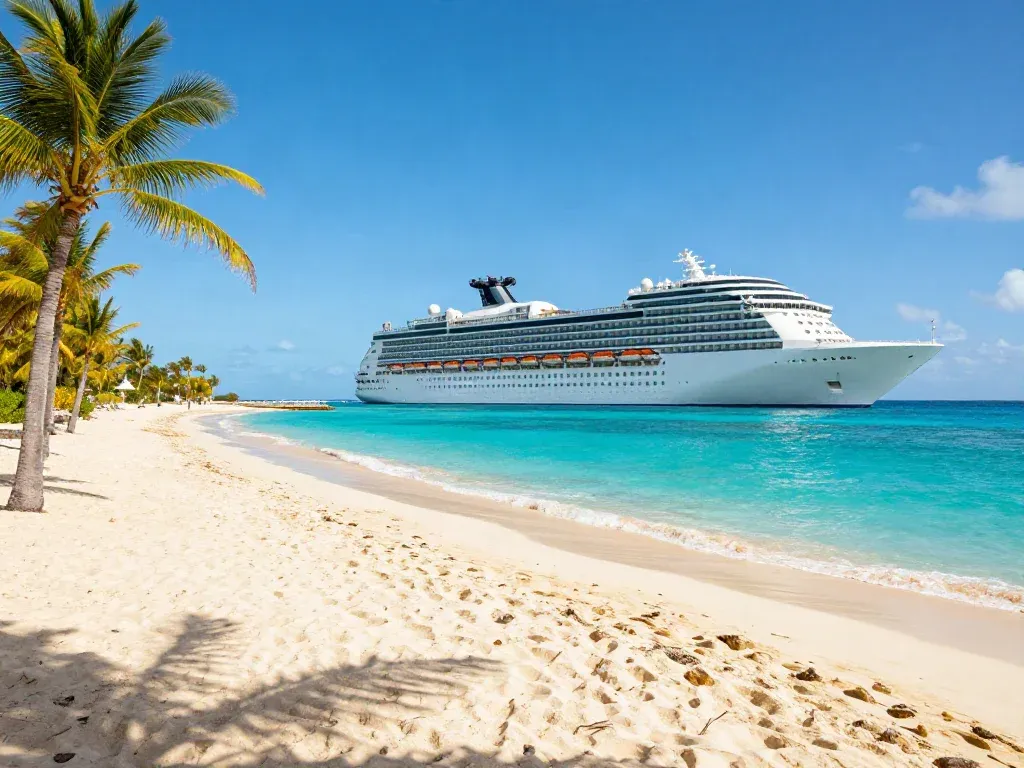
Southern Caribbean · Cruise port guide
Castries, St. Lucia
A steep volcanic island defined by the Pitons, with a pier in central Castries and a drive-in volcano at Soufrière.
Port basics
Getting ashore
Ships dock
Berth to town
Pointe Seraphine is across the harbour from the town — a short ferry or a 20-minute walk around.
Time in port
Typically 8–10 hours
Cruise season
Calls year-round, busiest November to April
Currency
East Caribbean dollar (XCD), pegged to the US dollar; US dollars widely accepted
Language
English is official; Saint Lucian Creole French is widely spoken
Time zone
Atlantic Standard Time (UTC−4), no daylight saving
Nearest airport
Hewanorra International (UVF) — About 65 km south, roughly 90 minutes
These are the patterns St. Lucia normally operates on. Berth assignments, tender arrangements and time in port vary by ship, line and day, and we confirm the specifics for your sailing once we know the dates.
About St. Lucia
St. Lucia is dominated by the Pitons, two volcanic plugs rising almost vertically out of the sea near Soufrière on the southwest coast. They are a UNESCO World Heritage Site and the most recognisable silhouette in the Eastern Caribbean.
Sulphur Springs at Soufrière is billed as the world’s only drive-in volcano. The caldera collapsed long ago, so a road runs into it: you walk on a viewing platform over steaming, bubbling grey vents, then bathe in the warm mud pools downstream. The smell is considerable and the mud stains swimwear permanently.
The distance between Castries and Soufrière is only about 35 km, but the mountain road takes well over an hour each way and is genuinely winding — a real consideration for anyone in the group prone to motion sickness. Catamaran excursions down the coast are the more comfortable route and give the classic view of the Pitons from the water.
The island changed hands between Britain and France fourteen times, and the result is an English-speaking country where most people also speak a French-based Creole and most place names are French. Castries market, busiest on Saturday mornings, is where that mix is most visible.
Going ashore in St. Lucia
Within reach on foot
- Castries Central Market and the craft market
- Derek Walcott Square and the Cathedral of the Immaculate Conception
- Pointe Seraphine duty-free shopping at the berth
- Vigie Beach, about 15 minutes north
What the port is known for
- The Pitons and the town of Soufrière, by road or catamaran
- Sulphur Springs at Soufrière, a drive-in volcanic crater
- Diamond Falls and the Botanical Gardens
- Zip-lining and rainforest aerial trams in the interior
How ships berth here
Pointe Seraphine is the main berth, on the north side of Castries harbour, with Port Castries opposite. A small ferry connects the two sides; some ships also anchor off Soufrière and tender for a different day entirely.
Access and mobility
The berth and central Castries are flat. Everything the island is known for is not: the road south to Soufrière is steep and serpentine, and the falls and springs involve steps and uneven ground. The catamaran route avoids the worst of the drive.
Weather and when ships call
Warm and humid, 26–31°C. The dry season runs December to May; June to November is wet and inside hurricane season. The interior rainforest is considerably wetter than the coast.
Cruise season
Calls year-round, busiest November to April
Typical itinerary length
St. Lucia usually appears on 7–10 nights Southern Caribbean itineraries. Sails year-round, busiest November – April.
Ports often paired with St. Lucia
Itineraries that call here usually call at these too, so it is worth reading them together when you are comparing weeks.
Barbados
The easternmost Caribbean island and a major Southern Caribbean homeport, with a UNESCO capital, rum history and a wild Atlantic coast.
Martinique
A French department in the Caribbean — euros, baguettes and road signs from metropolitan France, under a volcano that destroyed a city in 1902.
St. Vincent
A lightly visited volcanic island with the oldest botanical garden in the western hemisphere and the Grenadines strung out to the south.
Grenada
The Spice Island — a horseshoe harbour town built into a volcanic crater, with nutmeg estates inland and an underwater sculpture park offshore.
Bonaire
A diving island where the entire coastline is a protected marine park, with a pier in a very small Dutch capital.
Explore further
Bringing a group to St. Lucia?
We hold five cabins or more together as a single block, quote it once, and let each household book and pay separately. Tell us roughly when and how many.